What Is Generational Trauma? Definition, Examples and Signs
A plain-language definition of generational trauma, how it is passed down, real examples in families, the signs to look for, and how the cycle can be broken.

Linda Landum, RN, MSN-Ed, MA
Founder, Shrewd Wit Inc.
— Intergenerational Trauma
Generational trauma is trauma whose effects are passed from one generation to the next. Someone in the family lives through something overwhelming, such as violence, war, enslavement, displacement, deep poverty or abuse. The fear, survival habits and unmet needs it leaves behind shape how they parent, and their children and grandchildren grow up inside those patterns, even if they never lived through the original event.
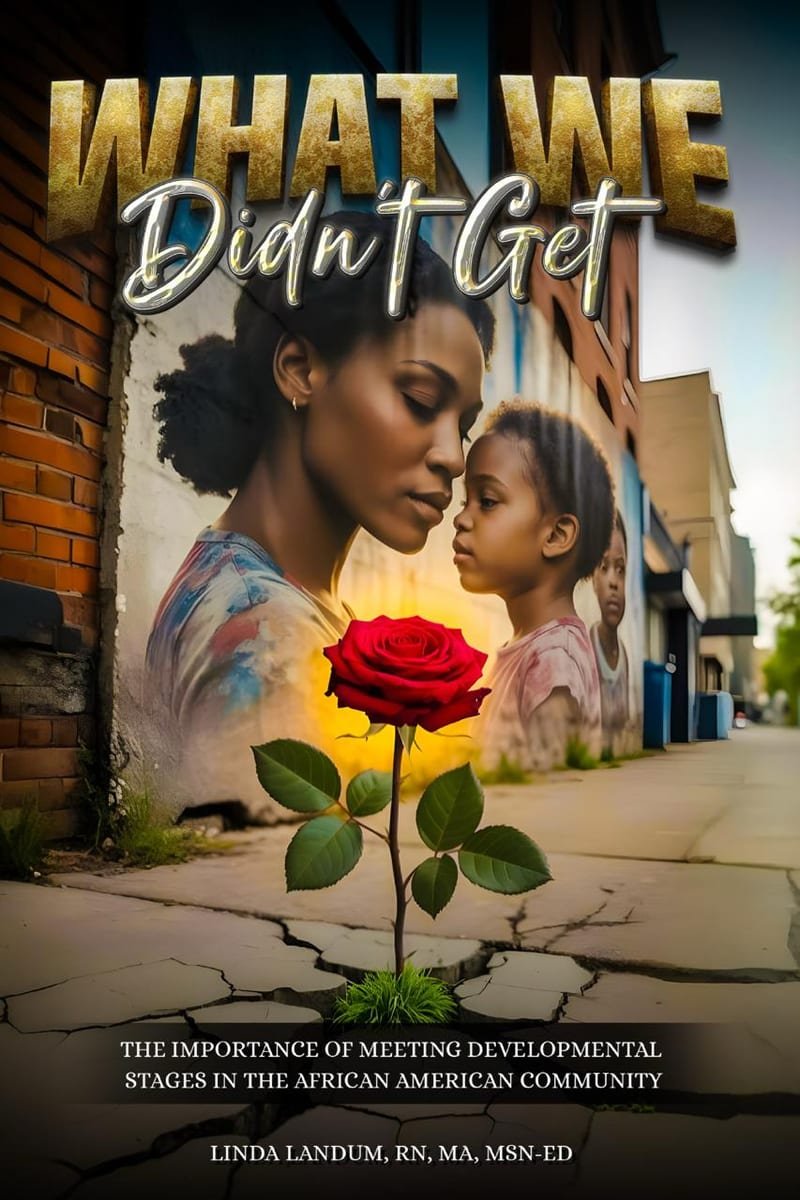
I am a nurse educator, and I wrote What We Didn't Get to explain how this happened in Black families shaped by poverty and racism. This page gives the plain-language answer to the question I am asked most: what is generational trauma, and how do you know if it is in your family?
Generational trauma definition
A simple definition: generational trauma is the emotional, behavioral and sometimes physical impact of trauma that continues in the children and grandchildren of the people who first experienced it. You may also see it called intergenerational trauma, transgenerational trauma or historical trauma. The terms overlap; I explain the small differences in generational vs intergenerational trauma.
The idea grew from research on the children of Holocaust survivors in the 1960s and later from the work of Maria Yellow Horse Brave Heart on historical trauma in Lakota communities. Today it is used to understand families affected by slavery and racism, colonization, war, refugee experience, addiction and abuse.
How is generational trauma passed down?
Trauma does not need to be remembered to be passed on. It travels through:
- Parenting. A parent whose nervous system is always braced for danger may be strict, anxious, distant or quick to anger. Children learn those reactions as normal.
- Unmet needs. A parent who was never comforted often does not know how to comfort. The result is childhood emotional neglect: children who are fed and protected but not emotionally seen.
- Family rules and silence. "We don't talk about that." "Don't cry." "Don't trust outsiders." Rules that once kept people safe are handed down after the danger has changed.
- Ongoing conditions. Poverty, discrimination and community violence keep adding stress in each generation, so the original trauma is never given a chance to settle.
- Possibly biology. Researchers such as Rachel Yehuda study whether a parent's trauma can affect a child's stress hormones and gene expression (epigenetics). The findings are interesting but still debated, and family and social patterns explain most of what we see.
Examples of generational trauma
Generational trauma rarely looks dramatic. It looks like ordinary family life:
- The family that never talks about feelings. A grandmother who survived violence learned that showing emotion was dangerous. Her children learned to keep quiet, and her grandchildren grow up not knowing how to name what they feel.
- Discipline passed down unchanged. Harsh physical punishment that began as a way to keep children safe in a dangerous world continues for generations, along with the fear it creates.
- Scarcity that outlives poverty. A parent who grew up hungry keeps hoarding food or panicking about money long after the family is secure, and the children absorb that anxiety.
- Strength that leaves no room for pain. In many Black families, being strong was how people survived. The cost is children who learn that needing help is weakness.
- Mistrust rooted in real history. Wariness of doctors, police or schools that began with real harm, such as medical abuse or segregation, shapes how a family seeks help today.
- Addiction and violence repeating. Children of parents who drank or fought to cope are more likely to face the same struggles unless someone breaks the pattern.
For examples specific to Black families, read generational trauma in African American families.
Signs of generational trauma in your family
None of these proves generational trauma on its own, but several together are worth paying attention to:
- Patterns that repeat across generations: divorce, addiction, estrangement, violence, early pregnancy or chronic illness.
- Topics that cannot be discussed, or family history nobody will tell you.
- A sense of being on guard all the time, even when nothing is wrong.
- Difficulty naming or showing feelings, or feeling numb.
- Strong reactions that seem bigger than the situation, especially around money, food, conflict or authority.
- Parents who were physically present but emotionally unavailable.
- Feeling responsible for your parents' feelings, or caring for siblings as a child (parentification).
Generational trauma in Black families
For Black Americans, generational trauma has roots in slavery, Jim Crow, segregation and the economic exclusion that followed. Joy DeGruy called one part of this legacy post-traumatic slave syndrome. In my book I focus on what it did to child development: how families under constant pressure often had to put survival first, and how that left many children without the emotional security, trust and sense of identity every child needs. That is not a story about bad parents. It is a story about what the conditions allowed, and about what we can repair now.
Can generational trauma be broken?
Yes. The cycle changes when one person in a family starts to notice the pattern, calm their own stress response and do something different. Practical steps include learning your family's story, naming the patterns you want to stop, getting support from a culturally responsive therapist, and repairing with your children when you slip. My guide on how to break generational trauma walks through seven steps with journal prompts, and my reading list of books about generational trauma suggests where to go deeper.
If you see your family in this page, you are not alone and it is not your fault. To understand how poverty, racism and trauma interrupted Black child development, and how families and schools can repair it, read a free sample of What We Didn't Get. If you are in crisis in the United States, call or text 988.
Quick answers
What is generational trauma in simple terms?
Generational trauma is the effect of trauma that is passed from one generation to the next. A parent or grandparent lives through something overwhelming, and the fear, coping habits and unmet needs it leaves behind shape how they raise their children, even when the children never experienced the original event.
How is generational trauma passed down?
Mostly through parenting and family life: how parents handle stress, conflict and feelings, what they teach children about safety and trust, and which needs they have the capacity to meet. Ongoing conditions such as poverty and racism keep the stress going. Researchers are also studying possible biological effects of parental trauma on children, but that science is still developing.
What are examples of generational trauma?
Common examples include a family where nobody talks about feelings because a grandparent learned that showing emotion was dangerous, harsh discipline passed down from parents who were raised the same way, constant worry about money long after the family is secure, and mistrust of doctors, police or schools rooted in real past harm.
Is generational trauma the same as intergenerational trauma?
The terms are usually used interchangeably. Some writers use intergenerational trauma for effects passed directly from parent to child, and transgenerational or historical trauma for effects that reach across several generations or a whole community.
Can generational trauma be healed?
Yes. Naming the pattern, learning to calm your own stress response, practicing new ways of handling feelings and conflict, and repairing with your children when you slip all change what the next generation receives. A culturally responsive therapist can help.
Topics in this essay
About Linda Landum
Linda Landum, RN, MSN-Ed, MA, is the author of What We Didn't Get: How Poverty, Racism, and Trauma Interrupted Black Development. A nurse educator and the founder of Shrewd Wit Inc., she writes and speaks on generational trauma, unmet childhood needs and trauma-informed education.
Continue reading
15 Signs of Childhood Emotional Neglect in Adults, With Examples
Fifteen signs of childhood emotional neglect in adults, with everyday examples, a short self-check, what emotional neglect looks like in chi…
Read essay →Books on Childhood Emotional Neglect: A Reading List for Healing
The best books on childhood emotional neglect and emotionally immature parents, with a note on who each book is for, where to start, and the…
Read essay →Signs You Grew Up With Emotionally Immature Parents
Signs you grew up with emotionally immature parents, the four types described by Lindsay C. Gibson, a checklist, how it affects you as an ad…
Read essay →