Books on Childhood Emotional Neglect: A Reading List for Healing
The best books on childhood emotional neglect and emotionally immature parents, with a note on who each book is for, where to start, and the books that explain emotional neglect in Black families.

Linda Landum, RN, MSN-Ed, MA
Founder, Shrewd Wit Inc.
— Reading Lists
Childhood emotional neglect is hard to see because it is about what did not happen. Nobody noticed your feelings, asked what was wrong, or helped you understand what you felt. For many people a book is the first place they see their experience described, and it changes everything. These are the books on childhood emotional neglect I recommend, organized by where you are.
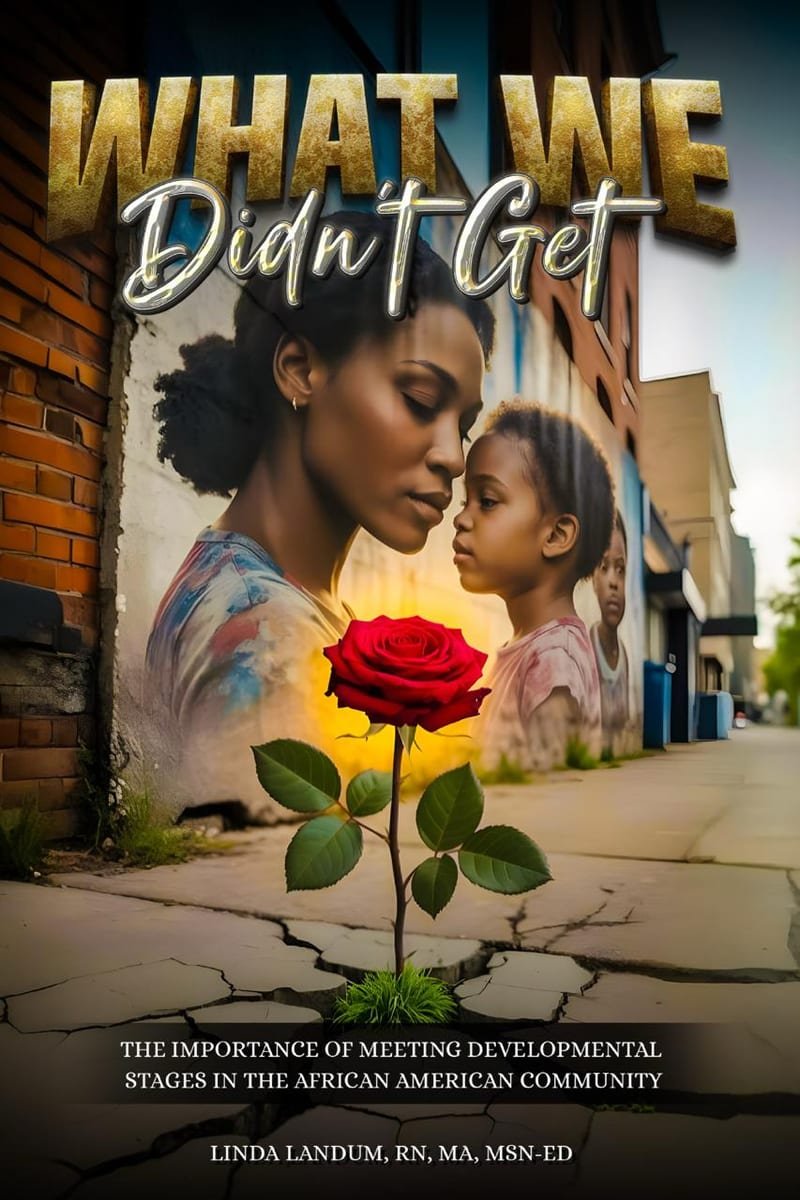
A note on honesty: I wrote one of the books on this list, What We Didn't Get: How Poverty, Racism, and Trauma Interrupted Black Development, and I say so each time it appears. Every other book is here because I find it useful. I do not use affiliate links.
Start here: the essential books on childhood emotional neglect
- Running on Empty: Overcome Your Childhood Emotional Neglect by Jonice Webb with Christine Musello (2012). The book that gave childhood emotional neglect its name for most readers. It describes the kinds of parents who emotionally neglect without meaning to, the signs in adults, and exercises for change. If you read one book, read this one.
- Running on Empty No More by Jonice Webb (2017). The follow-up, about how emotional neglect shows up in your marriage, with your parents and in how you raise your own children.
- What We Didn't Get by Linda Landum (my book). Explains why emotional neglect is so often a legacy of poverty and racism, not a lack of love. Many Black parents had to focus on survival: food, safety, work, protecting children from a hostile world. The child was fed and protected but not emotionally seen. The book uses Maslow, Erikson and attachment theory to show which needs went unmet and how to meet them now.
Books about emotionally immature parents
Many adults with emotional neglect grew up with parents who were present but could not handle feelings, theirs or yours. Lindsay C. Gibson's books are the standard here:
- Adult Children of Emotionally Immature Parents by Lindsay C. Gibson (2015). Describes four types of emotionally immature parents (emotional, driven, passive and rejecting) and how to stop being pulled back into old roles.
- Recovering from Emotionally Immature Parents by Lindsay C. Gibson (2019). The practical sequel, focused on boundaries, guilt and building your own sense of self.
- Self-Care for Adults of Emotionally Immature Parents by Lindsay C. Gibson (2021). Short daily reflections for when the longer books feel like too much.
Not sure if this describes your family? Read my guide to the signs you grew up with emotionally immature parents.
When emotional neglect became trauma
For some people neglect sat alongside criticism, chaos or abuse, and left patterns that look like post-traumatic stress. These books go deeper:
- Complex PTSD: From Surviving to Thriving by Pete Walker (2013). Explains emotional flashbacks, the inner critic and the fight, flight, freeze and fawn responses, with tools for each.
- The Body Keeps the Score by Bessel van der Kolk (2014). The science of how early stress changes the brain and body.
- What Happened to You? by Bruce D. Perry and Oprah Winfrey (2021). A warm, conversational look at how early relationships shape the developing brain.
- Healing the Child Within by Charles L. Whitfield (1987). An older classic on reconnecting with the feelings a child learned to hide.
Books on emotional neglect in Black families
Most books on emotional neglect describe white, middle-class families. They rarely ask why a parent working two jobs, or carrying their own unhealed trauma, had little left to give. These books do:
- What We Didn't Get by Linda Landum (my book), for the developmental story: which needs poverty, racism and generational trauma interrupted, and how parents, educators and helping professionals can repair them.
- Black Pain: It Just Looks Like We're Not Hurting by Terrie M. Williams (2008), on depression and pain hidden behind strength.
- My Grandmother's Hands by Resmaa Menakem (2017), on racialized trauma held in the body and practices to settle it.
- Post Traumatic Slave Syndrome by Joy DeGruy (2005), for the historical roots of survival-focused parenting.
How to choose your first book
- You are just starting to wonder if this was you: Running on Empty, or my free guide to the signs of childhood emotional neglect in adults.
- Your parents are still hard to be around: Adult Children of Emotionally Immature Parents.
- You want to understand why it happened in your family and community: What We Didn't Get.
- You have flashbacks, panic or a harsh inner critic: Complex PTSD by Pete Walker, ideally with a therapist.
For books on the wider family pattern, see my reading list of books about generational trauma, and for the background, how childhood emotional neglect shapes adult life.
Reading about your childhood can stir up feelings you have kept away for years. Go slowly and talk with someone you trust. If you would like to start with my book, you can read a free sample of What We Didn't Get. If you are in crisis in the United States, call or text 988.
Quick answers
What is the best book on childhood emotional neglect?
Running on Empty: Overcome Your Childhood Emotional Neglect by Jonice Webb is the book most often recommended. It names emotional neglect, describes how it shows up in adults and offers exercises for change. For emotional neglect shaped by poverty and racism in Black families, read What We Didn't Get by Linda Landum.
What should I read after Running on Empty?
Running on Empty No More by Jonice Webb applies the ideas to partners, parents and children. Adult Children of Emotionally Immature Parents by Lindsay C. Gibson explains why parents could not meet your emotional needs. Complex PTSD: From Surviving to Thriving by Pete Walker helps if neglect left lasting fear and self-criticism.
Is there a book about emotional neglect in Black families?
Yes. What We Didn't Get: How Poverty, Racism, and Trauma Interrupted Black Development by Linda Landum explains how survival-focused parenting, poverty and racism left many Black children fed and protected but emotionally unseen, and how families can repair it. Black Pain by Terrie M. Williams covers hidden depression in Black communities.
Can reading a book help me heal from childhood emotional neglect?
A book can give you the words for what happened, which is often the first step, and many include exercises for noticing and naming feelings. For deeper patterns such as numbness, depression or relationship trouble, a book works best alongside a trauma-informed therapist.
Topics in this essay
About Linda Landum
Linda Landum, RN, MSN-Ed, MA, is the author of What We Didn't Get: How Poverty, Racism, and Trauma Interrupted Black Development. A nurse educator and the founder of Shrewd Wit Inc., she writes and speaks on generational trauma, unmet childhood needs and trauma-informed education.
Continue reading
What Is Generational Trauma? Definition, Examples and Signs
A plain-language definition of generational trauma, how it is passed down, real examples in families, the signs to look for, and how the cyc…
Read essay →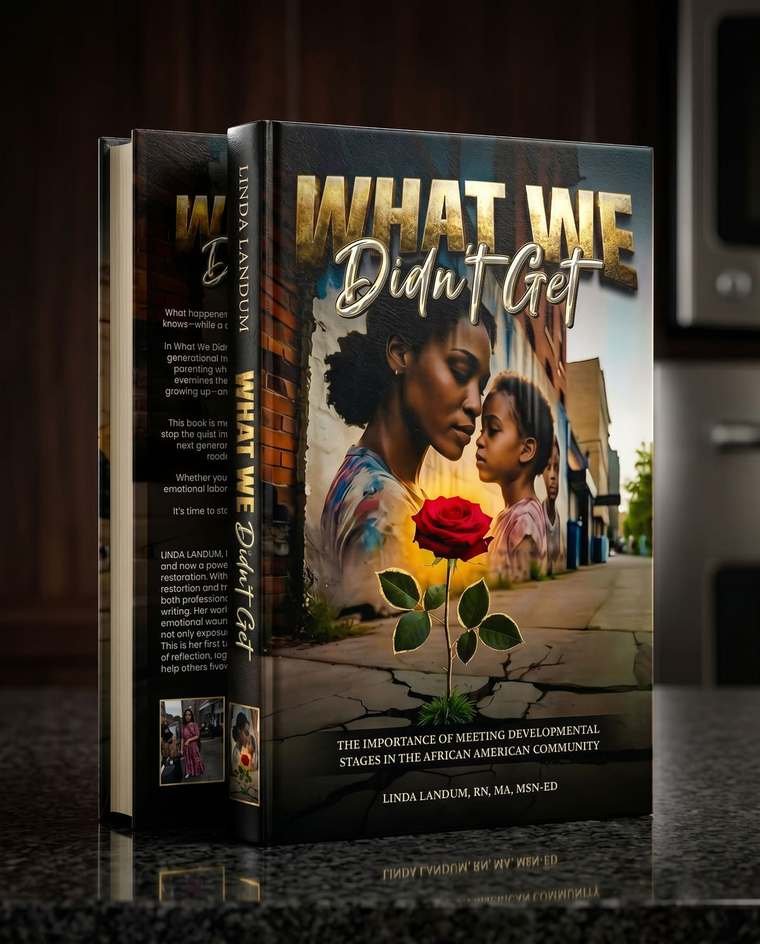
Trauma-Informed Teaching: Classroom and School Strategies
A practical guide to trauma-informed teaching: what a trauma-informed classroom is, the core principles, classroom strategies and classroom …
Read essay →15 Signs of Childhood Emotional Neglect in Adults, With Examples
Fifteen signs of childhood emotional neglect in adults, with everyday examples, a short self-check, what emotional neglect looks like in chi…
Read essay →