Presentations That Work
We create professional PowerPoint presentations and scripts for businesses, organizations, educators, community groups, healthcare programs, and individuals.
Home of What We Didn’t Get, Linda Landum’s book on how poverty, racism and generational trauma interrupted Black child development.
Shrewd Wit Incorporated teaches, publishes, speaks, and reaches out to communities. We turn information into knowledge people can use.
Education is to
elevate, not
intimidate.— Linda Landum-Kamal
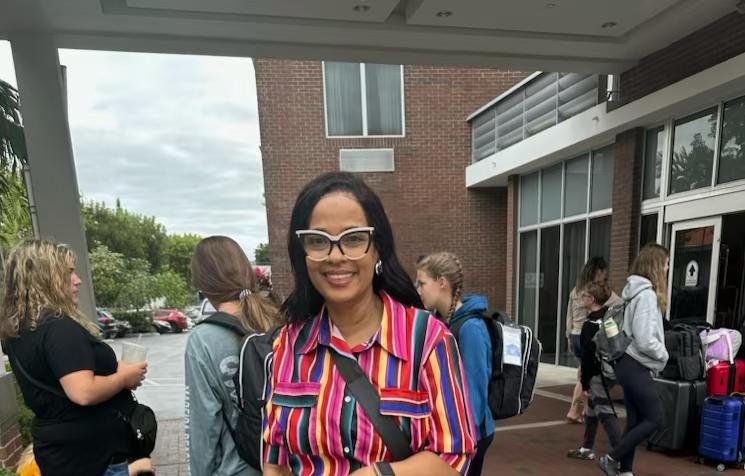
Our Founder
Linda believes that knowledge can open doors, strengthen communities, and create brighter futures for everyone.
About Linda LandumShrewd Wit helps businesses communicate, helps communities learn, and helps important ideas reach the people who need them.
We create professional PowerPoint presentations and scripts for businesses, organizations, educators, community groups, healthcare programs, and individuals.
We provide community-service speeches, educational presentations, and public speaking programs on topics like personal development, family wellness, education, and more.
We turn medical and health information into plain language. That helps people and families make informed choices about their health.
We write and publish books about real issues in families, schools, health, and communities. Our books, such as What We Didn't Get, use real-life stories to help people grow and understand.
Education. Outreach. Real-World Impact.
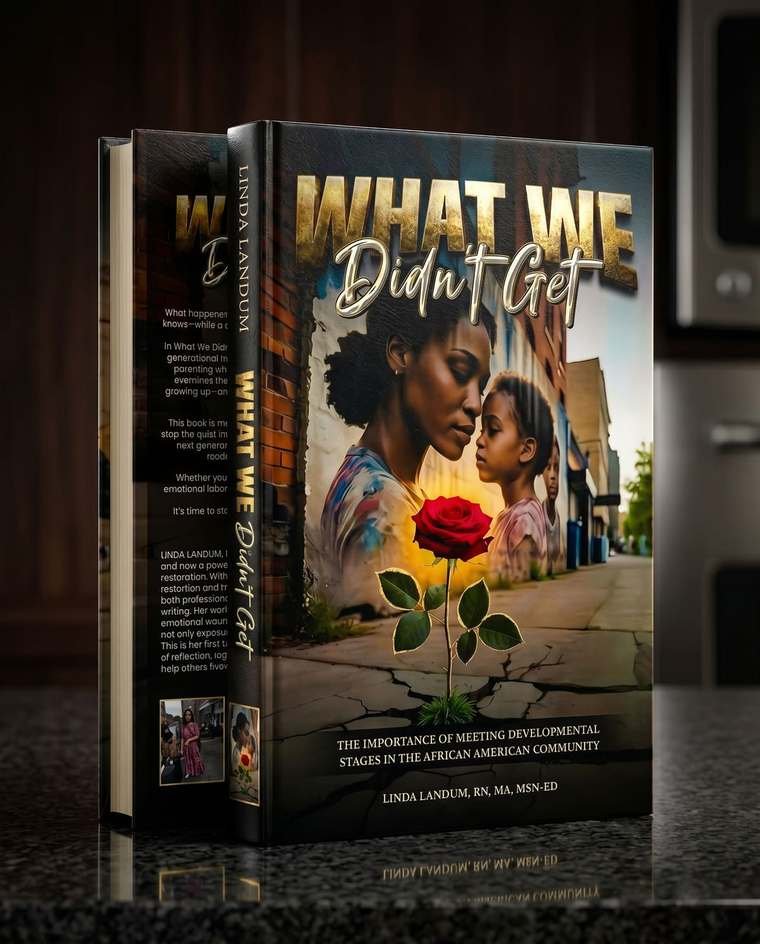
Latest Release
by Linda Landum, RN, MSN-Ed, MA
A powerful exploration of how systemic racism, historical trauma, and poverty have disrupted critical developmental stages in the African American community—and a call to action for healing and reclaiming what was lost.
eBook on Kindle, Apple Books, Barnes & Noble, Kobo and Bookshop.org. Free to borrow from your library on Libby and Hoopla.
Get a free sample of What We Didn’t Get, plus three short notes from Linda on unmet childhood needs and how families and schools can repair them.
By signing up you agree to get emails from Linda Landum and Shrewd Wit about the book, new essays and workshops. Unsubscribe anytime. See our Privacy Policy.
From The Journal
Free essays by Linda Landum on the questions What We Didn’t Get explores: generational trauma, childhood emotional neglect and how they shape Black families.
Intergenerational Trauma
A plain-language definition of generational trauma, how it is passed down, real examples in families, the signs to look for, and how the cycle can be broken.
Emotional Neglect
Fifteen signs of childhood emotional neglect in adults, with everyday examples, a short self-check, what emotional neglect looks like in childhood, and first steps to heal.
Emotional Neglect
Signs you grew up with emotionally immature parents, the four types described by Lindsay C. Gibson, a checklist, how it affects you as an adult, and how to deal with emotionally immature parents now.
Reading Lists
The best books on childhood emotional neglect and emotionally immature parents, with a note on who each book is for, where to start, and the books that explain emotional neglect in Black families.
Intergenerational Trauma
A plain-language guide to generational trauma in Black families: what it means, the history and research behind it, the best books to start with, and practical first steps toward healing, for yourself and for the people you love.
Developmental Psychology
Erik Erikson believed every life moves through eight psychosocial stages, each with a crisis to resolve. What happens when systemic racism, poverty, and intergenerational trauma interrupt those stages? A look at Black child development through Erikson's framework.
1.5K+
Workshops delivered
20K+
People reached
35+
Publications
Support Our Mission
Your generous contributions help us create more books, develop impactful workshops, and reach communities in need. Every donation makes a difference.
Donate on GoFundMeUnderstanding developmental trauma, unmet childhood needs, and healing — answered by author and nurse educator Linda Landum.
Developmental trauma is the lasting harm caused when a child's core needs for safety, attunement, and connection go unmet during critical stages of growth. Unlike a single frightening event, it builds over time through emotional neglect, instability, or chronic stress. In adulthood it can shape emotional regulation, attachment, self-worth, and relationships — which is exactly what Linda Landum explores in her book What We Didn't Get.
What We Didn't Get, by Linda Landum, RN, MSN-Ed, MA, examines how systemic racism, historical trauma, and poverty disrupted critical developmental stages in the African American community. Using Maslow's hierarchy of needs, Erikson's stages, and attachment theory, it names the unmet childhood needs many adults carry — and offers a path toward healing and reclaiming what was lost.
Childhood emotional neglect happens when a caregiver fails to respond to a child's emotional needs. Because the wound is about what did not happen, it often goes unnamed. As adults, people who experienced emotional neglect may struggle with emotional regulation, feel disconnected from their own feelings, or doubt that their needs matter. Naming these unhealed childhood wounds is the first step toward healing.
ACEs, or Adverse Childhood Experiences, are potentially traumatic events in childhood — abuse, neglect, or household dysfunction — that raise the lifelong risk of mental and physical health problems. When a child faces prolonged adversity without supportive relationships, the result is toxic stress, which can alter brain development and the stress-response system well into adulthood.
Intergenerational trauma is the passing of unhealed wounds from one generation to the next through behavior, parenting, silence, and stress responses. In Black families, this is compounded by racial trauma and systemic racism that have shaped health and development across generations. Understanding these cycles — rather than blaming individuals — is how families begin to break them and reclaim healing.
These frameworks show why child development matters at every level. Maslow's hierarchy of needs explains what must be met before a child can thrive; Erikson's stages describe the emotional tasks of each phase of life; and Bronfenbrenner's ecological systems theory shows how family, school, community, and society shape a child's growth. Together they reveal what is lost when development is interrupted.
Racial trauma is the cumulative psychological harm caused by racism, discrimination, and systemic inequity. Systemic racism affects African American mental health and Black child development by limiting access to safety, resources, and stability — the very conditions healthy development requires. Trauma-informed, culturally responsive care helps address these wounds at both the personal and community level.
Healing begins with trauma-informed understanding: recognizing how unmet childhood needs, attachment, and toxic stress shape behavior. Families can rebuild safety and emotional connection, while trauma-informed education helps classrooms respond to the whole child rather than just behavior. Shrewd Wit Inc. offers books, workshops, and speaking to support this work in homes, schools, and communities.