How to Break Generational Trauma: Steps, Journal Prompts, Self-Check
A practical guide to healing generational trauma in your family: a short self-check, seven cycle-breaking steps, journal prompts, what to do as a parent, and how therapy can help.

Linda Landum, RN, MSN-Ed, MA
Founder, Shrewd Wit Inc.
— Intergenerational Trauma
You break generational trauma by understanding where your family's patterns came from, calming the body that learned them, and practicing something different, especially with your own children. You do not have to fix every generation. You only have to change what you pass on.
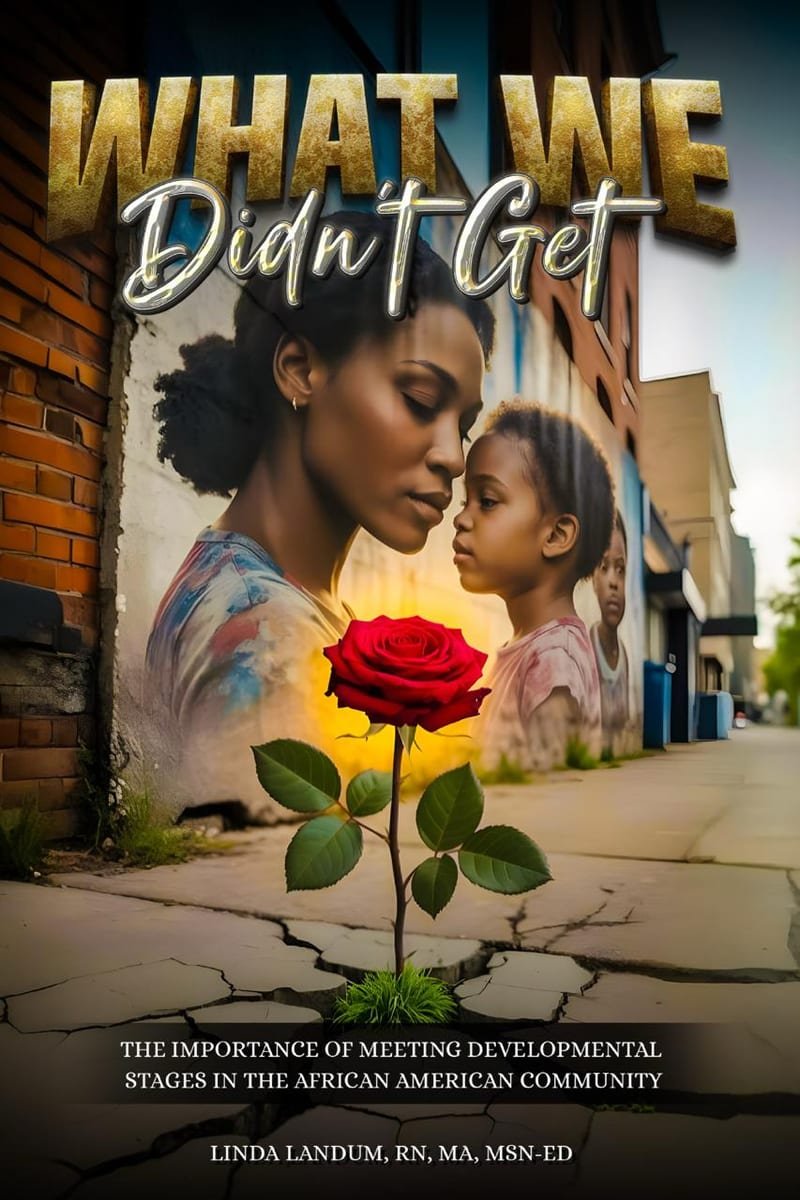
This guide is practical. It includes a short self-check, seven steps, journal prompts and advice for parents. It draws on my book, What We Didn't Get: How Poverty, Racism, and Trauma Interrupted Black Development, which explains why so many families, especially Black families, carry needs that went unmet for generations. If you want the background first, read what generational trauma is and how it differs from PTSD.
A quick self-check: signs of generational trauma
Read each statement and notice how many feel true for you. This is not a diagnosis or a clinical test. It is a way to notice patterns worth exploring.
- There are things in my family that everyone knows and nobody talks about.
- I feel guilty or anxious when I rest.
- I find it hard to ask for help, even when I need it.
- I often do not know what I am feeling, or feelings were treated as weakness growing up.
- I react to my children, partner or coworkers the way I was reacted to, then regret it.
- When life is going well, I brace for something bad.
- The same problems, such as addiction, violence, abandonment or money crises, show up across generations in my family.
- I was expected to grow up fast or take care of adults as a child.
- I struggle to trust doctors, teachers, police or other institutions, and so did my parents.
- I promised myself I would not repeat something from my childhood, and I sometimes do.
If several statements fit, you are not broken. You are noticing adaptations that made sense somewhere in your family's history. Noticing is the first step in changing them. If your answers bring up heavy feelings, pause and take care of yourself before reading on.
Seven steps to break the cycle
1. Learn your family's story
Ask elders what life was like when they were young: where they lived, what they were afraid of, what they lost, what they were proud of. Listen for what is skipped. Patterns make more sense, and feel less like personal failings, when you know the history behind them.
2. Name the patterns
Write down what you received that you want to keep, and what you received that you want to stop. Be specific: "We never apologized to children." "Money was always a crisis." "Crying got you punished." You cannot change a pattern you have not named.
3. Calm the body
Generational trauma often lives in a nervous system that learned to stay on alert. Slow breathing, walking, stretching, music, prayer and time outdoors teach the body that the danger has passed. A few minutes a day matters more than an occasional long session.
4. Learn the feelings you were not taught
Many of us grew up in homes where feelings were not named, a form of childhood emotional neglect. Practice naming what you feel a few times a day. A feelings list helps at first.
5. Set boundaries with care
Breaking a cycle sometimes means saying no to family expectations: to harsh discipline of your children, to secrets, to being the one who fixes everything. Boundaries are not rejection. They protect what you are building.
6. Practice repair
You will slip. Everyone does. What breaks cycles is not perfection but repair: coming back, apologizing, explaining and doing better. Children who see adults repair learn that relationships survive mistakes.
7. Get support
Generational trauma was created in relationships and usually heals in them. A therapist, a support group, a faith community or a trusted friend can hold what is too heavy to carry alone.
Signs you are already breaking the cycle
A cycle breaker is the person in a family who notices a pattern passed down through generations and chooses not to pass it on. Progress is often quieter than people expect. You may be breaking the cycle if:
- You catch yourself mid-reaction and pause instead of yelling or shutting down the way you were taught.
- You can name what you feel, and you let your children name what they feel.
- You apologize to your children when you get it wrong.
- You ask questions about your family's history instead of keeping its secrets.
- You set limits with relatives, even when it is uncomfortable.
- You look for help, through therapy, reading or community, instead of "toughing it out."
- Your children come to you when something is wrong.
None of these require getting it right every time. A cycle is broken by the direction you are moving, not by a perfect record.
The hidden cost of being a cycle breaker
Breaking a pattern can feel like breaking a family rule. Relatives may read new boundaries as rejection or say you think you are better than them. Many cycle breakers feel guilt, grief for the childhood they did not have, and a lonely sense of being the black sheep. In Black families, where closeness and loyalty have been survival tools against a hostile world, choosing a different path can feel especially heavy.
These feelings are common, and they are not a sign you are doing it wrong. It helps to:
- Hold both truths: your elders did what they could with what they had, and some of it hurt.
- Find people who understand, such as a support group, a therapist or friends doing the same work.
- Remember who you are protecting. The point is not to win an argument with the past. It is to give the next generation what you did not get.
Journal prompts for healing generational trauma
Choose one prompt at a time. Write for ten minutes without editing yourself.
- What did the adults in my childhood do when they were afraid, angry or sad?
- What rules did my family live by that no one ever said out loud?
- What did I need as a child that I did not get?
- What did my parents need as children that they did not get?
- Which of my reactions feel older than me?
- What strengths did my family pass down that I want to keep?
- What is one pattern I want to end with me?
- What would I say to my younger self right now?
- When do I feel safest in my body? How can I create more of that?
- What would it look like to rest without guilt?
- Who in my life makes it easier to be honest about my feelings?
- What do I want my children, or the young people in my life, to say about how I made them feel?
Breaking the cycle as a parent
The most powerful place to break generational trauma is with your own children, because it changes what the next generation receives.
- Name feelings for your child, including the hard ones: "You look frustrated. That makes sense."
- Regulate yourself first. When you feel the old reaction rising, pause, breathe and step away if you need to.
- Discipline to teach, not to frighten. Fear-based discipline was often a survival strategy for Black families facing real danger. Children today still need protection, and they also need to feel safe at home.
- Repair out loud. "I yelled, and that was not okay. I'm sorry. Here's what I'll do next time."
- Tell them their history, at a level they can handle, including the strength and pride in it.
Generational trauma therapy: what helps
Several evidence-based therapies help with trauma symptoms: trauma-focused cognitive behavioral therapy, cognitive processing therapy and EMDR. Family therapy helps change patterns between generations directly, and body-based approaches can help a stressed nervous system settle. For Black clients, fit matters as much as method: look for a therapist who treats racism as real and is open to the role of faith, family and community. Directories such as Therapy for Black Girls, Inclusive Therapists and the Black Emotional and Mental Health Collective (BEAM) can help.
Generational trauma often travels with other problems, including addiction, abuse and unresolved grief. If any of those are part of your family's story, please reach out for qualified help. In the United States, the SAMHSA National Helpline (1-800-662-4357) offers free, confidential treatment referrals around the clock.
Going deeper
Books can carry you between therapy sessions or help you start. My reading list of books on breaking generational trauma includes the titles I recommend most. For the developmental story behind these patterns in Black families, and practical strategies for parents, educators and helping professionals, read What We Didn't Get.
You are not responsible for everything that happened before you. You are responsible for what you do with it, and that is a powerful place to stand. Read a free sample of What We Didn't Get to see how repair begins.
This article is for education and is not a substitute for medical or mental health care. If you are in crisis in the United States, call or text 988. If a child is being harmed, call the Childhelp National Child Abuse Hotline at 1-800-422-4453.
Quick answers
How do I heal generational trauma in my family?
Start by learning your family's story and naming the patterns you want to stop. Then calm your own stress response, practice new ways of handling conflict and feelings, repair with the people you love when you slip, and get support from a culturally responsive therapist or community. Healing one person changes what the next generation receives.
What is the best approach to healing generational trauma?
There is no single best approach, but the strongest combine three things: understanding (learning where the patterns came from), body work (calming a nervous system that learned to stay on alert), and new relationships (practicing safety and repair with others). Evidence-based trauma therapies such as trauma-focused CBT, cognitive processing therapy and EMDR can help when symptoms are heavy.
Can you break generational trauma on your own?
You can do a great deal on your own through reading, journaling, learning to regulate your body and changing how you respond to your children. But generational trauma was created in relationships, and it usually heals best in relationships too: with a therapist, a support group, a faith community or trusted friends.
What therapy is best for generational trauma?
Trauma-focused cognitive behavioral therapy, cognitive processing therapy and EMDR have strong evidence for treating trauma symptoms. Family therapy helps change patterns between generations, and body-based approaches help a stressed nervous system settle. The therapist's fit matters as much as the method; Black clients often do best with someone who treats racism as real.
What is a cycle breaker?
A cycle breaker is the person in a family who notices a harmful pattern passed down through generations, such as harsh discipline, silence about feelings, addiction or emotional distance, and chooses to stop passing it on. Cycle breakers are not perfect. They learn new ways to handle stress and conflict, repair when they slip, and often get support to do it.
Why does breaking the cycle feel so lonely?
Changing a family pattern can feel like breaking a family rule. Relatives may read new boundaries as rejection, and you may feel guilt, grief for the childhood you did not have, or like the black sheep. Those feelings are common and usually ease with time, support from people who understand, and a clear sense of what you are protecting.
Is there a generational trauma quiz?
There is no validated clinical quiz for generational trauma, because it is not a diagnosis. Self-checks like the one in this guide can help you notice patterns worth exploring. If your answers worry you, or you have symptoms of anxiety, depression or PTSD, talk with a licensed clinician who can assess you properly.
How long does it take to break generational trauma?
It is a process, not an event. Many people notice changes in weeks, such as calmer reactions or a first honest conversation, but deeper patterns can take years. The goal is not perfection. Each time you respond differently than you were responded to, you are already breaking the cycle.
Topics in this essay
About Linda Landum
Linda Landum, RN, MSN-Ed, MA, is the author of What We Didn't Get: How Poverty, Racism, and Trauma Interrupted Black Development. A nurse educator and the founder of Shrewd Wit Inc., she writes and speaks on generational trauma, unmet childhood needs and trauma-informed education.
Continue reading
Generational vs Intergenerational Trauma: Differences and PTSD
Generational, intergenerational, transgenerational, historical and collective trauma explained side by side, plus how generational trauma di…
Read essay →Books About Generational Trauma, Racial Trauma and Teaching
The best books about generational trauma, racial trauma, childhood emotional neglect and trauma-informed teaching, with a short note on who …
Read essay →Books on Childhood Emotional Neglect: A Reading List for Healing
The best books on childhood emotional neglect and emotionally immature parents, with a note on who each book is for, where to start, and the…
Read essay →