Holiday Stress With Family: How to Cope When Old Childhood Wounds Return
Why going home for the holidays can pull you back into your childhood role, and practical ways to cope: a plan for the visit, boundary scripts, staying grounded, spending the holidays apart, and recovering afterward.
From the author of What We Didn't Get. Read a free sample ↓

Linda Landum, RN, MSN-Ed, MA
Founder, Shrewd Wit Inc.

— Emotional Neglect
Holiday stress with family is often old stress in new clothes. When you go home for Thanksgiving or Christmas, the people, rooms and rituals can pull you back into the role you had as a child, especially if your emotional needs went unmet growing up. You can plan for that. A little preparation, a few clear limits and a way to recover afterward make the season far easier to get through.
I am a nurse educator, and in my book, What We Didn't Get: How Poverty, Racism, and Trauma Interrupted Black Development, I write about the needs that go unmet in families under pressure. The holidays are when many adults feel those gaps most sharply. This guide explains why, and gives you practical ways to cope before, during and after the visit.
Why the holidays bring old family wounds back
Most holiday stress is ordinary: money, travel, cooking, too little sleep. Family holiday stress has an extra layer. Being with the people who raised you can wake up the nervous system you had as a child. You may notice that you:
- Feel suddenly small, anxious or tongue-tied around a parent.
- Slip back into an old role: the fixer, the peacekeeper, the responsible one, the black sheep.
- Overfunction in the kitchen or with logistics so you do not have to feel anything.
- Feel invisible again when your news, feelings or boundaries are brushed aside.
- Come home exhausted, irritable or numb for days.
These reactions make sense. If you grew up with childhood emotional neglect or with emotionally immature parents, your body learned early how to stay safe in that house. Going home reminds it.
The roles we fall back into
Many families, especially those that lived through hardship, assign children roles that helped the family survive. Naming yours makes it easier to step out of it on purpose:
- The caretaker or "parentified" child, who looked after siblings or a parent and still feels responsible for everyone's mood.
- The peacekeeper, who smooths over conflict and swallows their own opinions.
- The achiever, whose job was to make the family proud, and who still feels judged by results.
- The quiet one, who learned that having needs caused trouble.
- The scapegoat or black sheep, who gets blamed when tension rises.
- The cycle breaker, who is doing things differently now and may be treated as if that is a rejection of the family. See how to break generational trauma.
In many Black families these roles were not chosen out of coldness. Parents working long hours, coping with racism and stretched thin by poverty relied on children to keep things going. Understanding that history does not erase the hurt, but it can soften blame and make honest choices easier.
Before the visit: a short plan
- Decide how long you will stay. A shorter visit you can manage beats a long one you dread. An afternoon may be enough.
- Arrange your own way out. Drive yourself, stay at a hotel or with a friend, or know when the last train leaves. Having an exit lowers anxiety even if you never use it.
- Pick one or two limits in advance. For example: "I will not discuss my marriage," or "I will leave if there is drinking and yelling." Choose limits you can keep yourself, not rules for other people.
- Expect the familiar. Write down the comments or moments that usually hurt. Predicting them takes away some of their power.
- Line up support. Agree with a partner, sibling or friend on a code word, or a time you will text each other.
- Lower the bar. The goal is not a perfect holiday or a healed family. The goal is to get through it with your self-respect and your peace mostly intact.
Setting boundaries with family during the holidays
A boundary is a decision about what you will do, said plainly and kindly. It is not a punishment and it does not need a long explanation. Short scripts help:
- "I'm not going to talk about that today. How's work going for you?"
- "I can stay until four, and then I'm heading out."
- "I'd rather not discuss my weight. Pass the greens?"
- "I hear you disagree. I've made my decision."
- "I'm going to step outside for a few minutes."
Expect some pushback, especially if you are changing a long-standing role. You do not have to win the argument. Repeat yourself calmly, change the subject, or leave the room. Each time you keep a small boundary, the next one gets easier.
During the visit: staying grounded
- Notice your body. Tight jaw, shallow breath, a knot in the stomach: these are signals to pause, not failures.
- Breathe out slowly. A longer exhale than inhale, for a minute or two, helps calm a stress response.
- Take breaks. Walk the dog, run to the store, sit in the car, step onto the porch. Short breaks prevent big blowups.
- Find your people. Spend time with the cousin, child or elder who feels safe.
- Limit alcohol. It lowers your patience and everyone else's.
- Remember your age. Silently remind yourself: "I am an adult now. I can leave. I can choose."
When you are not going home
Some people limit contact with family or step away entirely, for good reasons. The holidays can still bring grief, guilt and loneliness, because the season is full of pictures of the family you did not get. It helps to:
- Plan the day ahead of time instead of letting it arrive empty.
- Spend it with chosen family: friends, neighbors, a faith community or a volunteer shift.
- Create a small ritual of your own: a meal you love, a walk, a letter to your younger self.
- Let yourself grieve. Missing what you never had is a real loss.
After the visit: recovering
Plan a quiet day afterward if you can. Sleep, eat well, move your body and talk it over with someone who understands. Write down what went better than expected and what you want to do differently next year. If old feelings linger, try the gentle exercises in my guides to inner child work and how to reparent yourself. Giving yourself the comfort you needed then is one of the most direct ways to recover now.
When holiday stress is more than stress
Feeling tired, sad or on edge for a few days is common. Reach out to a doctor or licensed therapist if low mood, anxiety, sleep problems or drinking last for weeks, or if they get in the way of daily life. If you are in crisis or thinking about harming yourself, call or text 988 (the Suicide & Crisis Lifeline in the United States) or go to the nearest emergency room. If you are not safe at a family gathering, leave and get help.
Going deeper
If the holidays keep showing you the same painful pattern, that pattern has a history. My book, What We Didn't Get, explains how poverty, racism and trauma left many families providing food and shelter but not emotional safety, and how the next generation can repair it. You can read a free sample on the book page. For more reading, see my lists of books on childhood emotional neglect and books about generational trauma.
Quick answers
Why do I feel like a child again when I go home for the holidays?
Being with the people who raised you, in the rooms where you grew up, can wake up the stress responses and roles you learned as a child. If your emotional needs went unmet, your body learned to stay alert in that house, and going home reminds it. Noticing this is the first step to responding as the adult you are now.
How do I set boundaries with family during the holidays?
Decide on one or two limits before you go, such as how long you will stay or which topics you will not discuss, and keep them short when you say them: "I'm not going to talk about that today." A boundary is about what you will do, like changing the subject or leaving, not about controlling others. Expect pushback and repeat yourself calmly.
Is it okay to skip the holidays with family?
Yes. Some people limit contact or skip gatherings to protect their health or safety, and that can be a healthy choice. Plan the day ahead with chosen family, friends or a community you trust, create a small ritual of your own, and allow yourself to grieve the family time you wish you had.
How do I cope with holiday stress and anxiety around family?
Plan your visit length and your exit, take short breaks, breathe out slowly when you notice tension, limit alcohol, and spend time with the relatives who feel safe. Afterward, rest and talk it over with someone who understands. If anxiety or low mood lasts for weeks, talk with a doctor or licensed therapist.
Where can I get help if the holidays feel unbearable?
If you are in crisis or thinking about harming yourself, call or text 988, the Suicide and Crisis Lifeline in the United States, or go to the nearest emergency room. For ongoing support, a licensed therapist, especially one experienced with family trauma, can help you understand old patterns and plan for future holidays.
Topics in this essay
About Linda Landum
Linda Landum, RN, MSN-Ed, MA, is the author of What We Didn't Get: How Poverty, Racism, and Trauma Interrupted Black Development. A nurse educator and the founder of Shrewd Wit Inc., she writes and speaks on generational trauma, unmet childhood needs and trauma-informed education.
Continue reading
Best Books for Black History Month: A Reading List for Adults
Black History Month books to read this February: where to start, the classics, big-picture histories, memoirs, novels, and the books that co…
Read essay →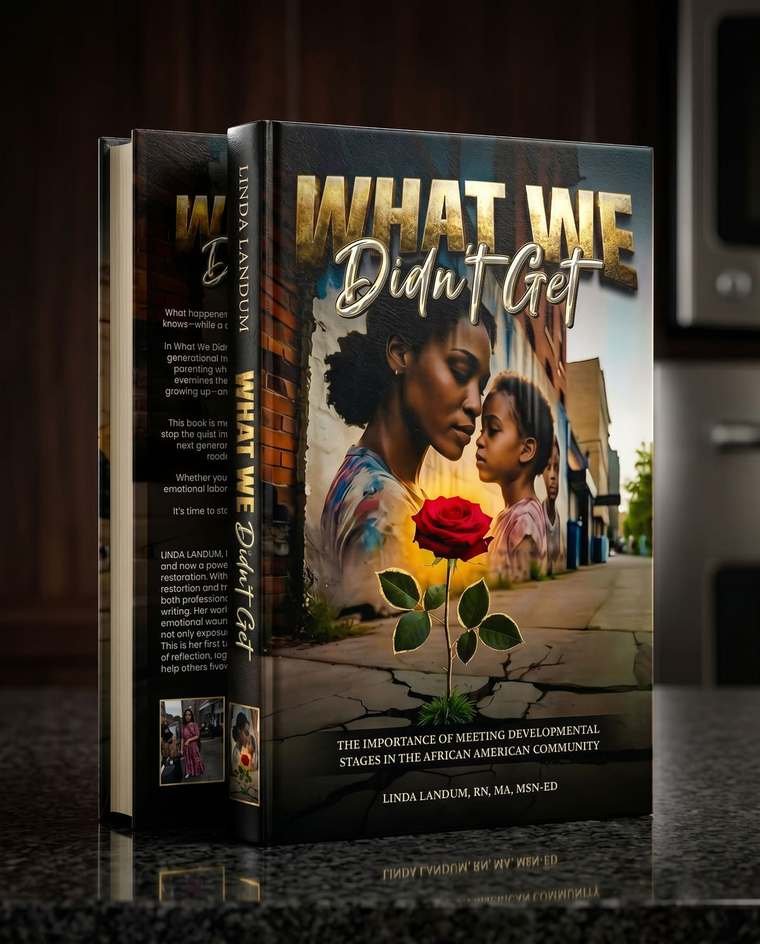
Trauma-Informed Teaching: Classroom and School Strategies
A practical guide to trauma-informed teaching: what a trauma-informed classroom is, the core principles, classroom strategies and classroom …
Read essay →Inner Child Work: What It Is, Exercises and How It Helps You Heal
What inner child work is, where the idea comes from, what it helps with, signs your inner child is hurting, and gentle exercises to start, w…
Read essay →