Intergenerational Trauma in Black Families: Breaking the Cycle
Trauma is not just personal — it is inherited. A trauma-informed look at how intergenerational pain travels through Black families, what epigenetics has taught us, and the practices that begin to break the cycle.

Linda Landum, RN, MSN-Ed, MA
Founder, Shrewd Wit Inc.
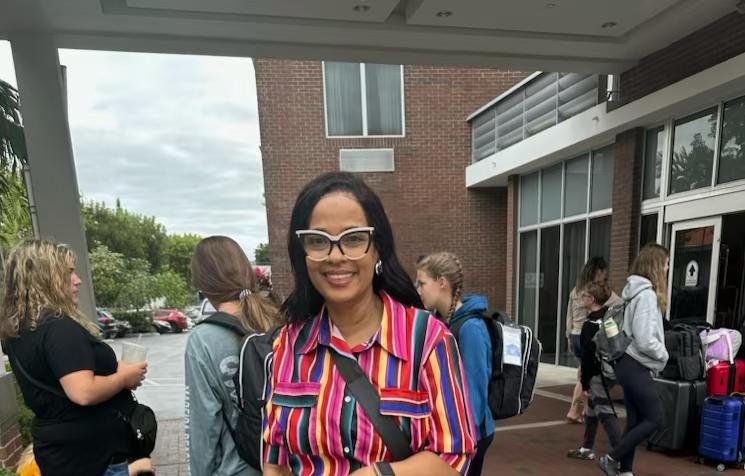
— Intergenerational Trauma
A grandmother survives. A mother endures. A daughter wonders why she cannot rest. This is the quiet architecture of intergenerational trauma — the way unprocessed pain moves through families when it has nowhere else to go.
What Intergenerational Trauma Is
Intergenerational trauma, sometimes called generational or transgenerational trauma, refers to the transmission of trauma-related responses from one generation to the next. The trauma may be personal — a parent’s untreated grief, a grandfather’s rage — or collective: slavery, lynching, redlining, mass incarceration, war, displacement.
The transmission happens through several channels at once: storytelling and silence, parenting patterns, nervous-system attunement, neighborhood and economic environment, and — newer science suggests — epigenetic changes that influence how genes are expressed.
The Science: Epigenetics
Genes are not the only thing parents pass to children. Around our DNA sits a layer of chemical markers — the epigenome — that switches genes on or off in response to environment. Severe stress can change those markers. In animal studies, trauma-induced epigenetic changes have been observed across multiple generations. In humans, similar patterns have been observed in the descendants of Holocaust survivors, the children of war refugees, and in African American populations whose ancestors endured chattel slavery and Jim Crow.
This is not destiny. It is biology responding to history. And biology can respond again.
How Intergenerational Trauma Shows Up
- The family no-talk rule. Certain topics — a death, a divorce, an act of violence — are simply not discussed. The silence is the symptom.
- Hyper-vigilance around safety. Lessons like do not trust the police, do not take what is offered, do not let your guard down — inherited because they once kept ancestors alive.
- Body-based dread. A pit in the stomach when bills come, when authority arrives, when relationships deepen.
- Difficulty rest. The bodies of descendants are still running.
- Resilience that costs too much. Black family resilience is real and remarkable — and it has often required self-erasure to sustain.
Resilience Is Also Inherited
It would be a betrayal of history to write only of pain. Black families have also passed down extraordinary medicine: faith traditions, communal mothering, storytelling, music, food, humor, the deep practice of joy as resistance. Intergenerational strength is as real as intergenerational trauma. Healing is not the construction of resilience from scratch — it is the freeing of resilience from the burden of secrecy.
The Cycle-Breaking Work
1. Name the inheritance
Ask the elders. Listen to the stories — and the silences. What did your grandmother survive? What did your grandfather refuse to discuss? You cannot heal what you cannot see.
2. Grieve, openly
Many descendants of trauma were taught that grief was indulgent. It is not. Grief is the doorway. Make room.
3. Regulate the body
Trauma lives in the nervous system. Breathwork, somatic therapy, slow movement, prayer, time in nature, and culturally rooted practices (drumming, dance, communal singing) all teach the body that the danger is no longer here.
4. Re-parent your own children, and yourself
Cycle-breaking does not require perfect parents. It requires repair. Apologize when you snap. Name your child’s feelings out loud. Tell them, often, who they are and who they come from.
5. Find community
Healing happens in relationship. Therapy, support groups, faith communities, book clubs, sisterhoods, brotherhoods — the village your ancestors had, you must rebuild.
A Note on Therapy
Many Black adults carry a justified suspicion of mental-health systems that have historically pathologized them. Seek culturally competent trauma-informed therapists — increasingly available through directories like Therapy for Black Girls, Inclusive Therapists, and Black Mental Health Alliance. The right therapist will not flinch at the word racism, will not minimize spiritual practice, and will help you metabolize what you were not meant to carry alone.
You are not too sensitive. You are not making it up. You are responding to something real. And the healing you do today reaches backward and forward at the same time — honoring those who came before and freeing those who come after.
Topics in this essay
About Linda Landum
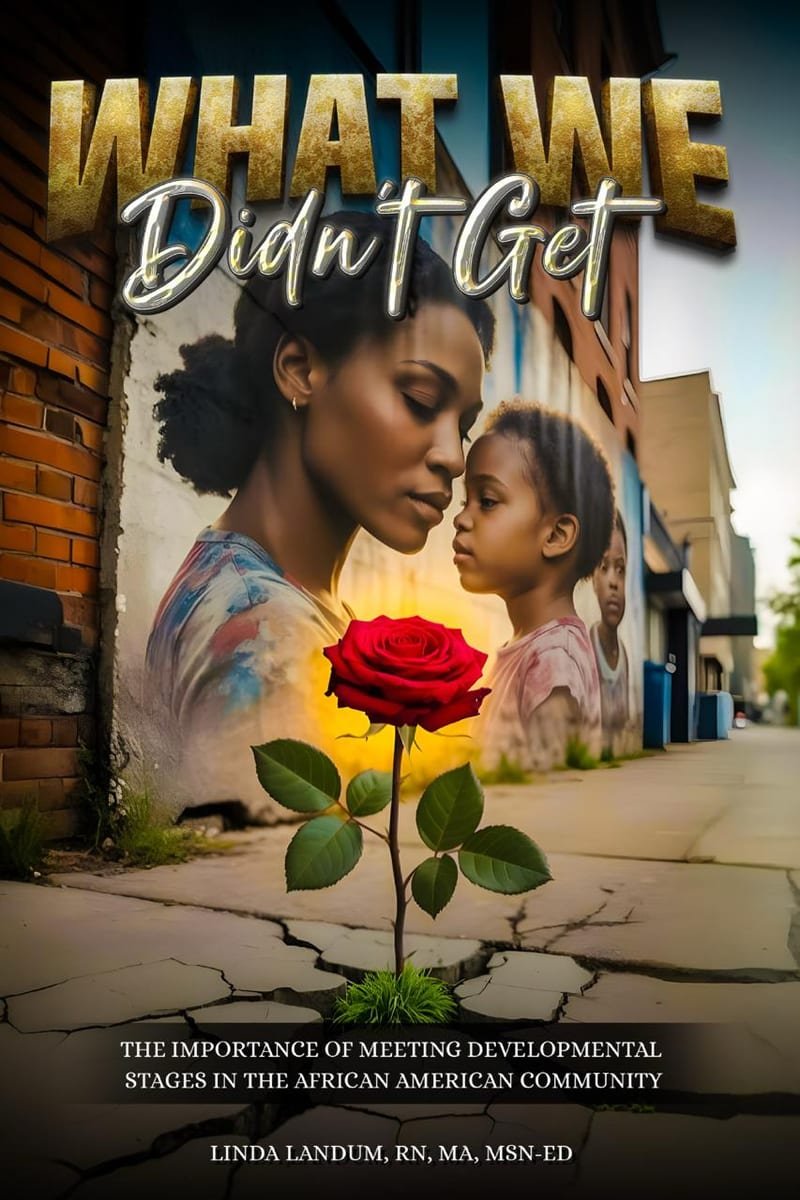
Linda Landum, RN, MSN-Ed, MA, is the author of What We Didn't Get: How Poverty, Racism, and Trauma Interrupted Black Development. A nurse educator and the founder of Shrewd Wit Inc., she writes and speaks on generational trauma, unmet childhood needs and trauma-informed education.
Continue reading
Bronfenbrenner's Ecological Systems Theory and Child Development
No child develops in a vacuum. Urie Bronfenbrenner's ecological systems theory shows that everything from a parent's job to a federal policy…
Read essay →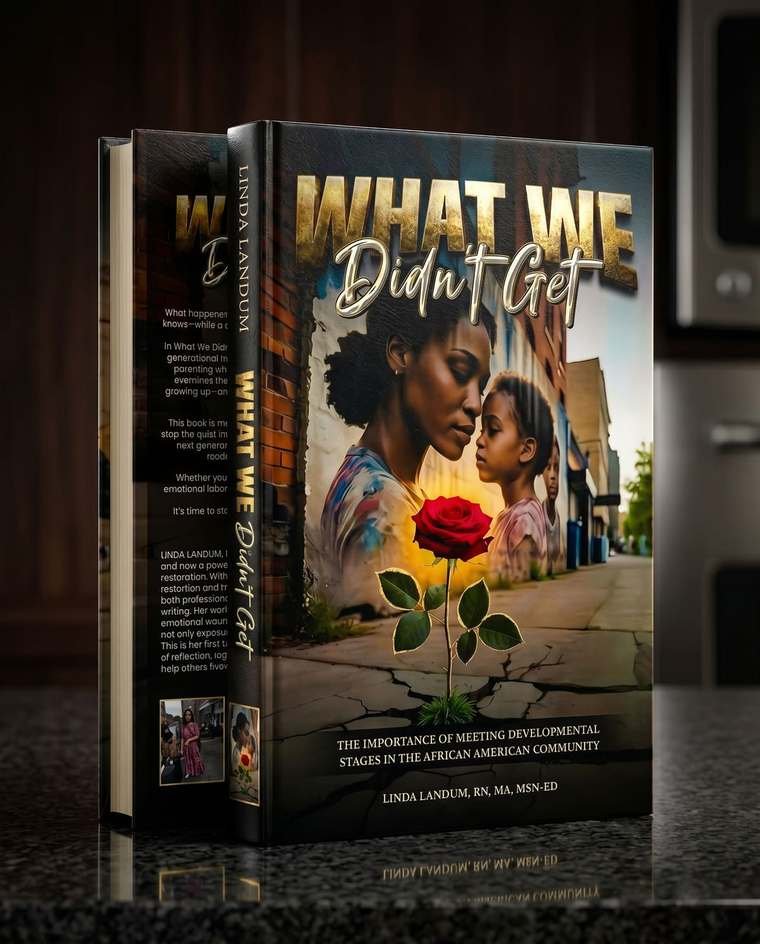
ACEs Explained: The ACE Test, Types of Childhood Trauma and Toxic Stress
Adverse Childhood Experiences (ACEs) are one of the most important public-health discoveries of the past thirty years. Here is what ACEs are…
Read essay →Books on Childhood Emotional Neglect: A Reading List for Healing
The best books on childhood emotional neglect and emotionally immature parents, with a note on who each book is for, where to start, and the…
Read essay →