What We Didn't Get: A Guide to Unmet Developmental Needs
A clear introduction to the book's central idea: adults are often living with adaptations to needs that went unanswered during childhood—not evidence that they are broken.
In brief
In brief
A clear introduction to the book's central idea: adults are often living with adaptations to needs that went unanswered during childhood—not evidence that they are broken.
What this article covers
- Needs can be materially met while emotional needs remain unanswered.
- Childhood adaptations can stay active long after circumstances change.
- The book connects personal experience with family history and social conditions.
- Understanding is an invitation to choice, not a diagnosis or a verdict on caregivers.
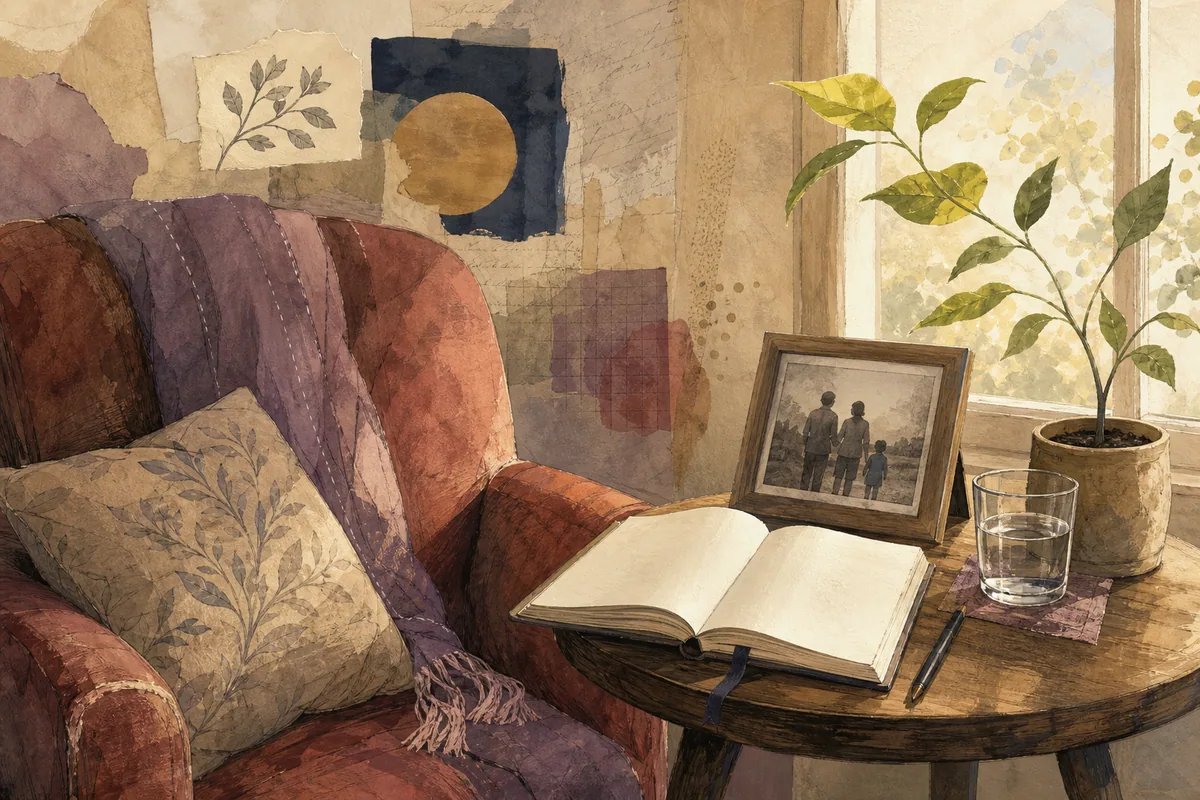
What We Didn't Get begins with a compassionate question: what if some adult struggles are not proof of weakness, but understandable responses to needs that were not reliably met while a person was developing?
The book does not ask readers to reduce their lives to childhood or to place every difficulty at a caregiver's feet. It asks them to look at development with greater context. Children grow within relationships, households, schools, neighborhoods, cultures, and historical conditions. Each layer can provide protection, create strain, or do both at once.
What counts as a developmental need?
Food, shelter, sleep, and medical care matter. So do experiences that are less visible: being comforted when frightened, having feelings named without ridicule, being protected from danger, receiving age-appropriate guidance, being allowed to explore, and knowing that belonging does not disappear after a mistake.
No childhood supplies every need perfectly. The concern is not an occasional missed moment. It is the repeated absence of enough safety, responsiveness, or support—and the adaptations a child makes when that absence becomes normal.
Adaptations make sense before they become limiting
A child who cannot depend on help may become unusually self-reliant. A child whose anger threatens family peace may learn to hide it. A child who receives attention mainly for achievement may work relentlessly. These strategies can be intelligent and protective in the environment where they begin.
Later, the same strategies may narrow adult life. Self-reliance can make receiving care uncomfortable. Emotional control can make needs hard to identify. Achievement can become the price of self-worth. The book's message is not that every pattern came from childhood; it is that history can make present behavior more understandable.
Why family and social context belong in the story
Caregivers do not parent outside history. Work schedules, unsafe housing, financial pressure, discrimination, illness, migration, and their own childhood experiences all affect what is available in a home. Naming those pressures does not erase a child's pain. Naming the pain does not erase a caregiver's effort.
This both-and perspective is especially important in Black families. Survival practices may carry wisdom, love, and protection while also leaving less room for emotional expression. The work of healing is not to reject resilience. It is to ask whether every survival rule is still needed now.
What the book invites readers to do
- Name what was present and what was missing. A family can provide sacrifice, faith, humor, and practical care while struggling with emotional responsiveness.
- Notice the adaptation without shaming it. Ask what a pattern once protected before trying to change it.
- Separate explanation from destiny. Childhood influences adult life; it does not write an unchangeable script.
- Choose one form of repair. That may be learning feeling words, asking for help, making room for rest, repairing with a child, or seeking qualified support.
A useful way to read
Read slowly. Pause when an idea feels familiar and ask, What did I learn to do to stay connected, safe, or valued? Then ask, What do I need now? The second question turns insight toward present-day choice.
Explore the full book on the What We Didn't Get page, or begin with the guided resource paths if you want definitions and related articles first.
Related reading
- Signs of childhood emotional neglect in adulthood
- How family patterns travel across generations
- Why child development must be understood in context
Scope note: This article offers education and reflection, not a diagnosis or a substitute for individual medical or mental-health care. People with similar childhood experiences can have very different adult lives.
Frequently asked questions
What is What We Didn't Get about?
The book examines how unmet needs for safety, connection, guidance, identity, and dignity can shape later behavior. It places those experiences within family history, poverty, racism, and human-development frameworks.
Is the book a clinical treatment guide?
No. It is an educational and reflective work. It can help readers name patterns and ask better questions, but it does not diagnose or replace individualized care.
About this article
Reviewed July 26, 2026. This educational article does not diagnose or replace individual medical or mental-health care. Research links appear in the article where factual claims are discussed.
Read our editorial standards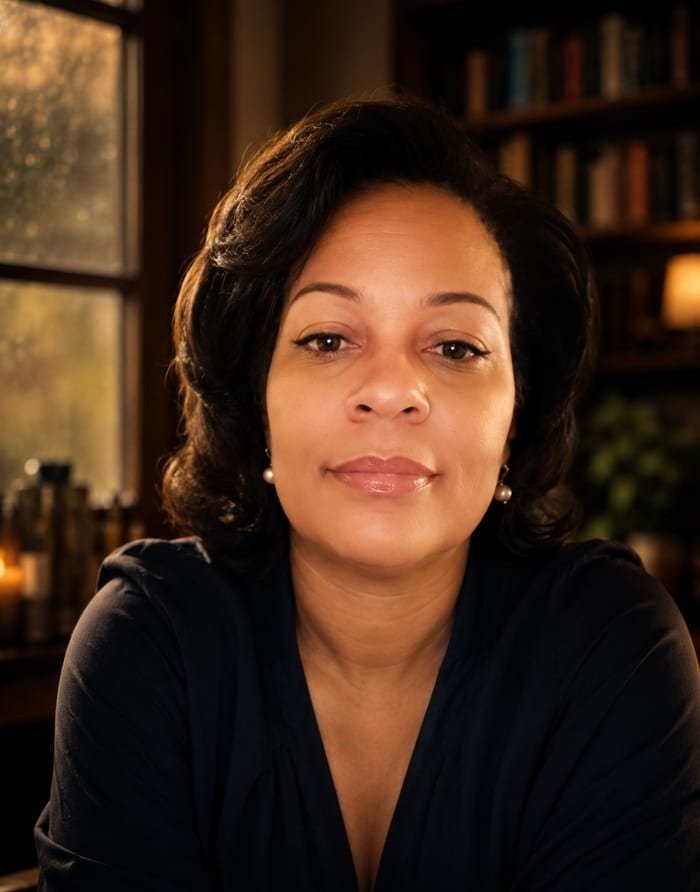
Continue with Linda Kamal
Linda Kamal, RN, MSN-Ed, MA, is the founder of Shrewd Wit Inc. and author of What We Didn't Get, a trauma-informed exploration of unmet childhood needs, human development, and family healing.