How to Write a Grant Proposal for a Nonprofit: A Beginner’s Guide
A clear, beginner-friendly walkthrough of the grant proposal — from researching the right funders to writing a persuasive narrative, building a realistic budget, and creating an evaluation plan funders trust.

Linda Landum, RN, MSN-Ed, MA
Founder, Shrewd Wit Inc.
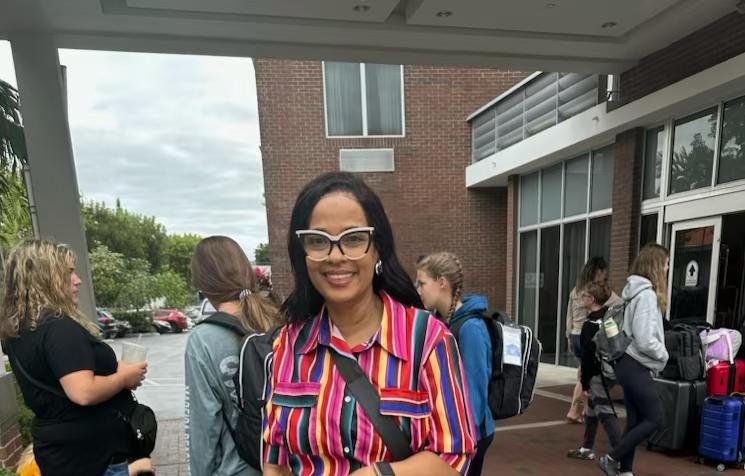
— Grant Writing
A great program should never fail for lack of funding. Yet many worthy nonprofits never get the grants they deserve — not because their work isn't strong, but because their proposal didn't tell the story clearly. Here is how the grant proposal actually works, step by step.
Step 1: Start with funder research, not writing
The most common beginner mistake is writing one proposal and sending it everywhere. Funders give to missions that match theirs. Before you write, build a short list of funders whose priorities, geography, and grant size genuinely fit your program. A strong fit with a smaller funder beats a weak fit with a famous one.
Step 2: Understand the grant proposal lifecycle
Grant writing is a cycle, not a single document:
- Research — find and vet funding opportunities.
- Align — confirm your program fits the funder's priorities and guidelines.
- Write — craft the narrative, budget, and supporting materials.
- Submit — follow every instruction exactly, on time.
- Follow up & report — steward the relationship and report on outcomes.
Step 3: Write a narrative that tells a clear story
Most proposals share a common structure. Even when the application uses different headings, funders are looking for the answers to the same questions:
- Statement of need: What problem are you solving, and how do you know it's real? Use data and a human story.
- Goals and objectives: What change will happen? Objectives should be specific and measurable.
- Methods / program design: What exactly will you do, for whom, and when?
- Organizational capacity: Why are you the right team to do this work?
- Evaluation: How will you measure whether it worked?
- Sustainability: What happens after this grant ends?
Step 4: Build a budget funders can trust
Your budget is a story told in numbers, and it must match your narrative exactly. If your narrative promises three workshops, your budget should show the cost of three workshops. Include realistic line items, brief justifications, and any matching or in-kind support. A clear, honest budget builds confidence; a vague one creates doubt.
Step 5: Write a real evaluation plan
Funders increasingly want to know not just what you'll do, but what will change because you did it. Define a few meaningful, measurable outcomes and explain how you'll collect the data — surveys, attendance, pre/post measures, follow-up. You don't need a research lab; you need a credible, doable plan.
Step 6: Follow the instructions exactly
This sounds obvious, and it is the reason many strong proposals are rejected. Page limits, formatting, attachments, deadlines, and required questions are not suggestions. Reviewers often read many applications; making theirs easy is a quiet form of persuasion.
Common beginner mistakes to avoid
- Writing about your organization instead of the community's need.
- Vague goals that can't be measured.
- A budget that doesn't match the narrative.
- Ignoring the funder's stated priorities and guidelines.
- Submitting late, or skipping required attachments.
You don't have to figure it out alone
Grant writing is a learnable skill — and also one where experienced help can dramatically raise your odds, especially for your first major proposals. Whether you want coaching to build the skill in-house or a partner to craft the proposal with you, support is available.
Shrewd Wit Inc. offers Grant Writing & Consulting — helping nonprofits, schools, and educators secure funding with clear, persuasive proposals. Tell us about the initiative you want funded and we'll help you make the case.
Topics in this essay
About Linda Landum
Linda Landum, RN, MSN-Ed, MA, is the author of What We Didn't Get: How Poverty, Racism, and Trauma Interrupted Black Development. A nurse educator and the founder of Shrewd Wit Inc., she writes and speaks on generational trauma, unmet childhood needs and trauma-informed education.
Continue reading
How Much Does a Grant Writer Cost — and Is One Worth It?
Hourly, flat-fee, or retainer? Here is an honest look at how grant writers charge, what drives the price, why reputable grant writers never …
Read essay →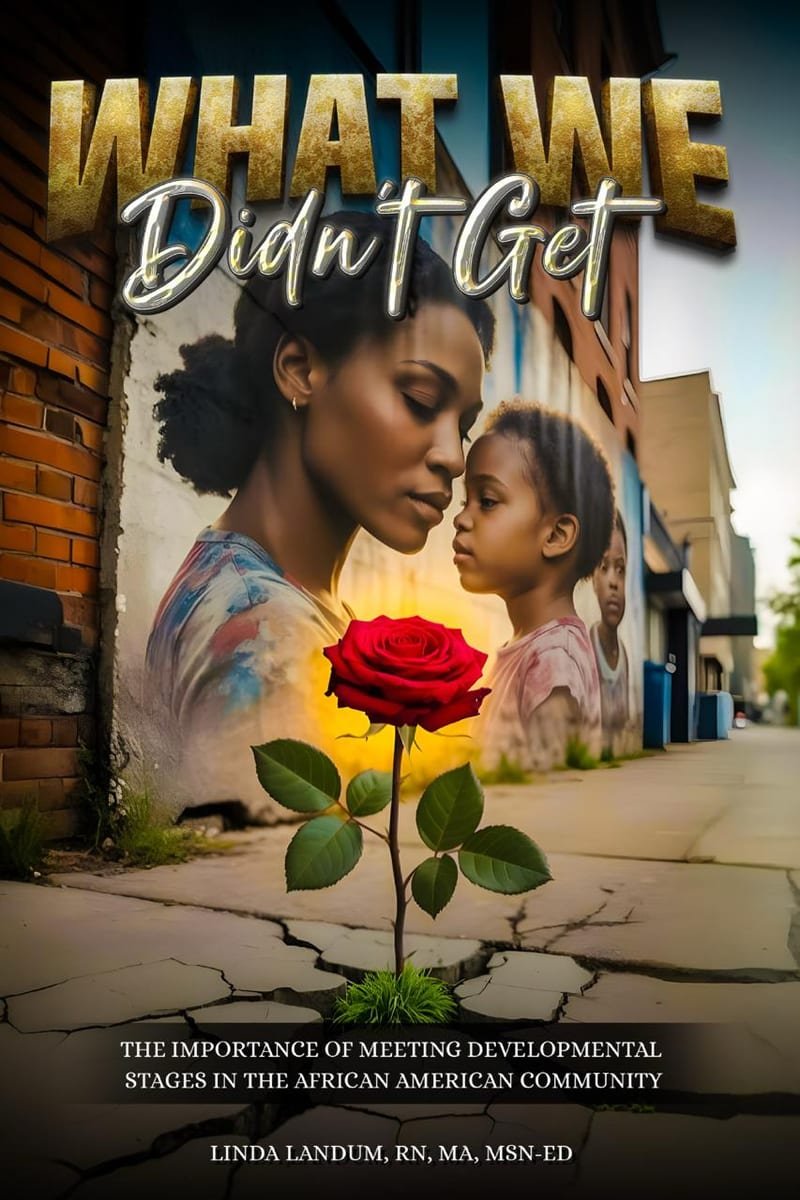
How Much Does It Cost to Self-Publish a Book? An Honest Breakdown
Self-publishing can cost almost nothing — or several thousand dollars. Here is an honest, line-by-line look at where the money actually goes…
Read essay →