How Much Does a Grant Writer Cost — and Is One Worth It?
Hourly, flat-fee, or retainer? Here is an honest look at how grant writers charge, what drives the price, why reputable grant writers never work on commission, and how to decide if hiring one is worth it for your nonprofit.

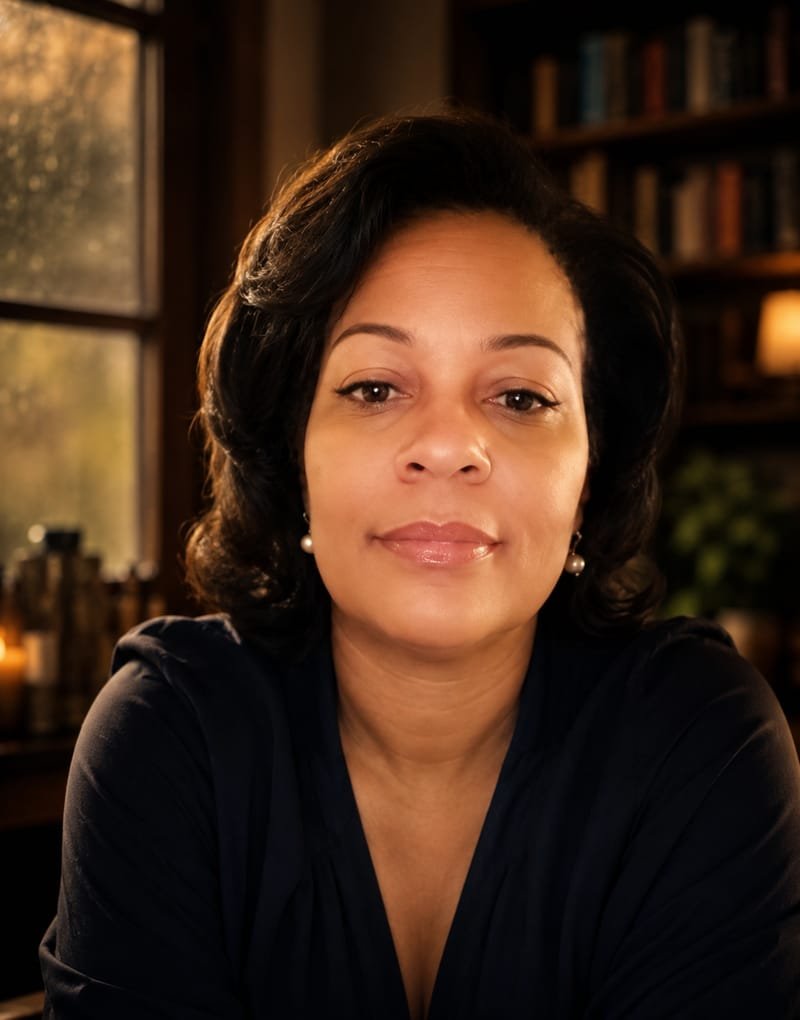
Linda Landum, RN, MSN-Ed, MA
Founder, Shrewd Wit Inc.
— Grant Writing
If you've ever searched "how much does a grant writer cost," you've probably found a frustrating answer: it depends. But it depends on specific, knowable things. Here's an honest look at how grant writers charge, what drives the price, and how to decide whether hiring one is worth it.
Note: the figures below are general market ranges in 2026, not a quote. Actual fees vary by scope, complexity, and experience.
The three common pricing models
1. Hourly
Many grant writers charge an hourly rate that commonly spans a wide range depending on experience and the complexity of the funder. Hourly works well for smaller projects or ongoing support, but ask for an estimated number of hours so there are no surprises.
2. Flat fee per proposal
For a defined proposal, a flat project fee is common and predictable. A short letter of inquiry costs far less than a full federal application with multiple attachments and partners. Flat fees reward clarity: the more defined the scope, the more accurate the price.
3. Retainer
Organizations with ongoing grant needs often retain a writer monthly. This buys consistent capacity — research, writing, and reporting — and tends to be the best value for nonprofits running multiple applications a year.
Why ethical grant writers don't work "on commission"
It's tempting to want a grant writer who only gets paid if you win — but reputable professionals and grantmaking ethics standards advise against paying grant writers a percentage of awarded funds. Grant funds are meant for the program, not contingency fees, and many funders prohibit it. Pay for the work, not a cut of the award. A writer who proposes commission-only pricing is a red flag.
What actually drives the cost
- Complexity of the funder: A local foundation form is far simpler than a federal application.
- How "grant-ready" you are: Clear program design, data, and budget save hours; starting from scratch costs more.
- Length and attachments: Narratives, budgets, logic models, and letters of support all add work.
- Research included: Finding the right funders is its own skilled task.
- Experience: Seasoned writers cost more per hour but often need fewer hours — and win more.
Is a grant writer worth it?
Consider the math. A strong proposal can secure funding many times the cost of writing it. For a first major application, a federal grant, or a stretched team with no time to write, professional help often pays for itself. A grant writer is worth it when:
- The grant is large enough that the fee is a small fraction of the potential award.
- Your team lacks the time or experience to write a competitive proposal.
- You keep getting close but not winning — an expert eye can find the gap.
- You want to build internal capacity by working alongside a pro.
It may not be worth it for very small grants where the fee approaches the award, or when a simple application closely matches a proposal you've already written.
Questions to ask before you hire
- How do you charge, and what's included?
- Do you also research funders, or only write?
- Can you share your experience with funders like the ones we're targeting?
- What do you need from us to do your best work?
Shrewd Wit Inc. offers Grant Writing & Consulting for nonprofits, schools, and educators — from funder research to persuasive proposals and realistic budgets. Reach out for a conversation about your project and the right level of support.
Topics in this essay
About Linda Landum
Linda Landum, RN, MSN-Ed, MA, is the author of What We Didn't Get: How Poverty, Racism, and Trauma Interrupted Black Development. A nurse educator and the founder of Shrewd Wit Inc., she writes and speaks on generational trauma, unmet childhood needs and trauma-informed education.
Continue reading
What We Didn't Get: Unmet Childhood Needs and Maslow's Hierarchy
Why so many adults carry an ache they cannot name. A trauma-informed look at Maslow’s hierarchy of needs, developmental trauma, and the woun…
Read essay →How to Write a Grant Proposal for a Nonprofit: A Beginner’s Guide
A clear, beginner-friendly walkthrough of the grant proposal — from researching the right funders to writing a persuasive narrative, buildin…
Read essay →