How to Self-Publish a Book: A Guide for First-Time Authors
Thinking about publishing your first book? Here is a clear, step-by-step guide to self-publishing — from shaping your idea to editing, cover design, formatting, and getting your book in front of readers.

Linda Landum, RN, MSN-Ed, MA
Founder, Shrewd Wit Inc.
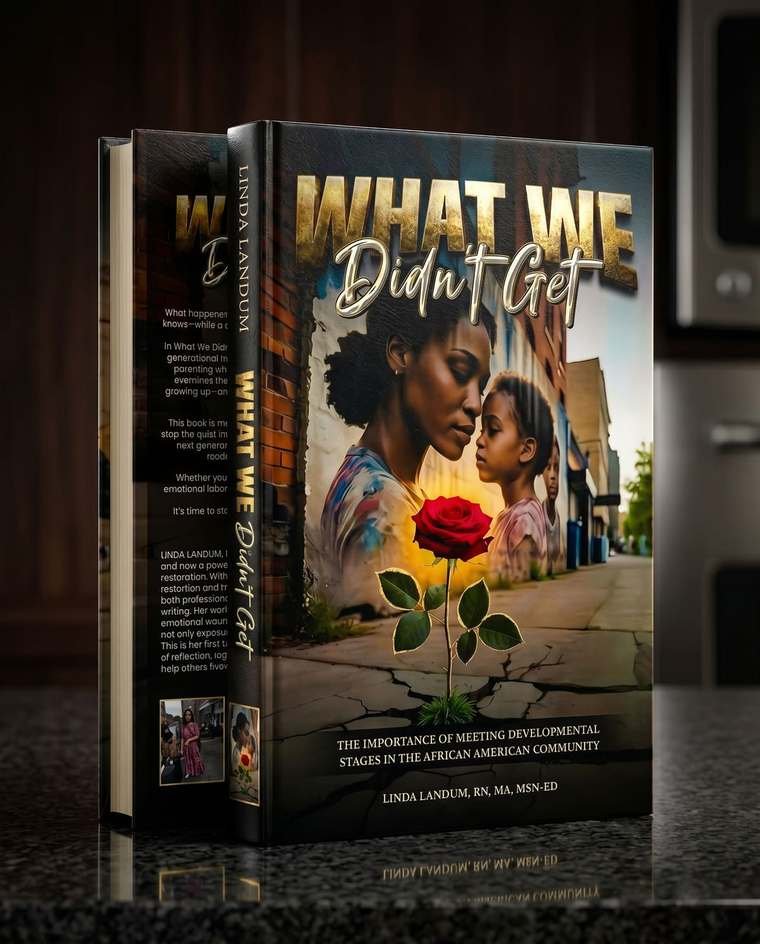
— Book Publishing
You have a story worth telling — a memoir, a message, a book that has been living in you for years. The good news in 2026 is that you no longer need a traditional publisher's permission to share it. Self-publishing puts the path in your hands. Here is how to walk it, one step at a time.
Step 1: Clarify your concept and your reader
Before you write a single chapter, get clear on two things: what your book is really about and who it is for. A strong concept is one sentence you can say out loud. "A trauma-informed guide to healing from childhood emotional neglect" is a concept. "A book about my life" is not yet. Knowing your reader shapes every decision that follows — tone, length, cover, and how you reach them.
Step 2: Write the first draft (done beats perfect)
The first draft exists to be finished, not to be perfect. Set a realistic schedule — even 500 words a day becomes a full manuscript in a few months. Outline first if you are a planner; write toward the outline if you are a discoverer. Resist the urge to edit as you go. Momentum is the rarest resource a first-time author has.
Step 3: Revise, then bring in an editor
Self-edit once for structure and clarity, then hand the manuscript to a professional editor. There are three common levels:
- Developmental editing — big-picture structure, argument, and flow.
- Copyediting — sentence-level clarity, consistency, and grammar.
- Proofreading — the final catch for typos before publication.
A good editor does not erase your voice; they strengthen it. This is the single step most likely to separate a book that feels professional from one that does not.
Step 4: Design a cover that earns the click
Readers absolutely judge a book by its cover, especially as a thumbnail on a store page. Invest in professional cover design that signals your genre and quality at a glance. Your title, your name, and the image should be legible even at the size of a postage stamp.
Step 5: Format the interior
Your manuscript needs to become a properly formatted book — for both print and e-book. That means consistent margins, readable fonts, well-set chapter openers, a title page, and a table of contents. Formatting tools exist, but clean, professional formatting is worth getting right; it is the reading experience itself.
Step 6: Handle the essentials — ISBN, copyright, and metadata
- ISBN — the unique identifier for your book. Some platforms provide a free one; buying your own gives you more control as the publisher of record.
- Copyright — your work is protected on creation, but formal registration adds legal weight.
- Metadata — your title, subtitle, categories, and keywords are how readers find your book in a store search. Treat them like the SEO of publishing.
Step 7: Choose your publishing and distribution path
Print-on-demand and e-book platforms let you publish without holding inventory; your book is printed when someone orders it. Decide whether you want the widest distribution, the richest royalties, or a hybrid. Each choice has trade-offs in reach, control, and earnings.
Step 8: Launch — and keep going
Publishing is the start, not the finish line. A simple launch plan — an announcement to people who already know you, a few readings or interviews, reviews from early readers, and a home base online — does more than any single marketing trick. Books build slowly, through word of mouth and consistent presence.
Do you have to do it all alone?
No. Many first-time authors handle the writing and bring in support for the parts that benefit most from experience — concept development, editing, and the publication steps. The goal is a finished book you are proud of, not a medal for doing everything yourself.
Shrewd Wit Inc. offers Book Publishing & Writing Support — guiding authors from concept development through editing and publication. If you have a story to tell, reach out and let's bring it to readers.
Topics in this essay
About Linda Landum
Linda Landum, RN, MSN-Ed, MA, is the author of What We Didn't Get: How Poverty, Racism, and Trauma Interrupted Black Development. A nurse educator and the founder of Shrewd Wit Inc., she writes and speaks on generational trauma, unmet childhood needs and trauma-informed education.
Continue reading
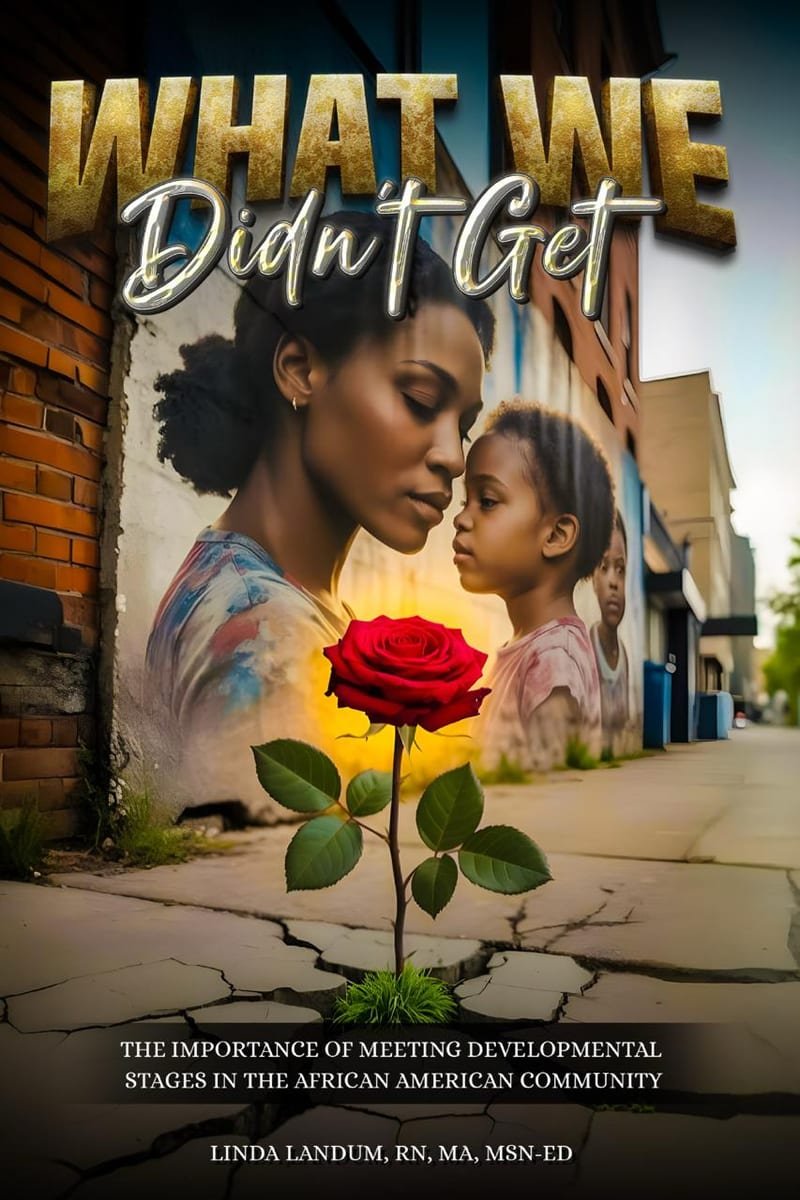
How Much Does It Cost to Self-Publish a Book? An Honest Breakdown
Self-publishing can cost almost nothing — or several thousand dollars. Here is an honest, line-by-line look at where the money actually goes…
Read essay →Generational Trauma in African American Families: Causes and Healing
A plain-language guide to generational trauma in Black families: what it means, the history and research behind it, the best books to start …
Read essay →